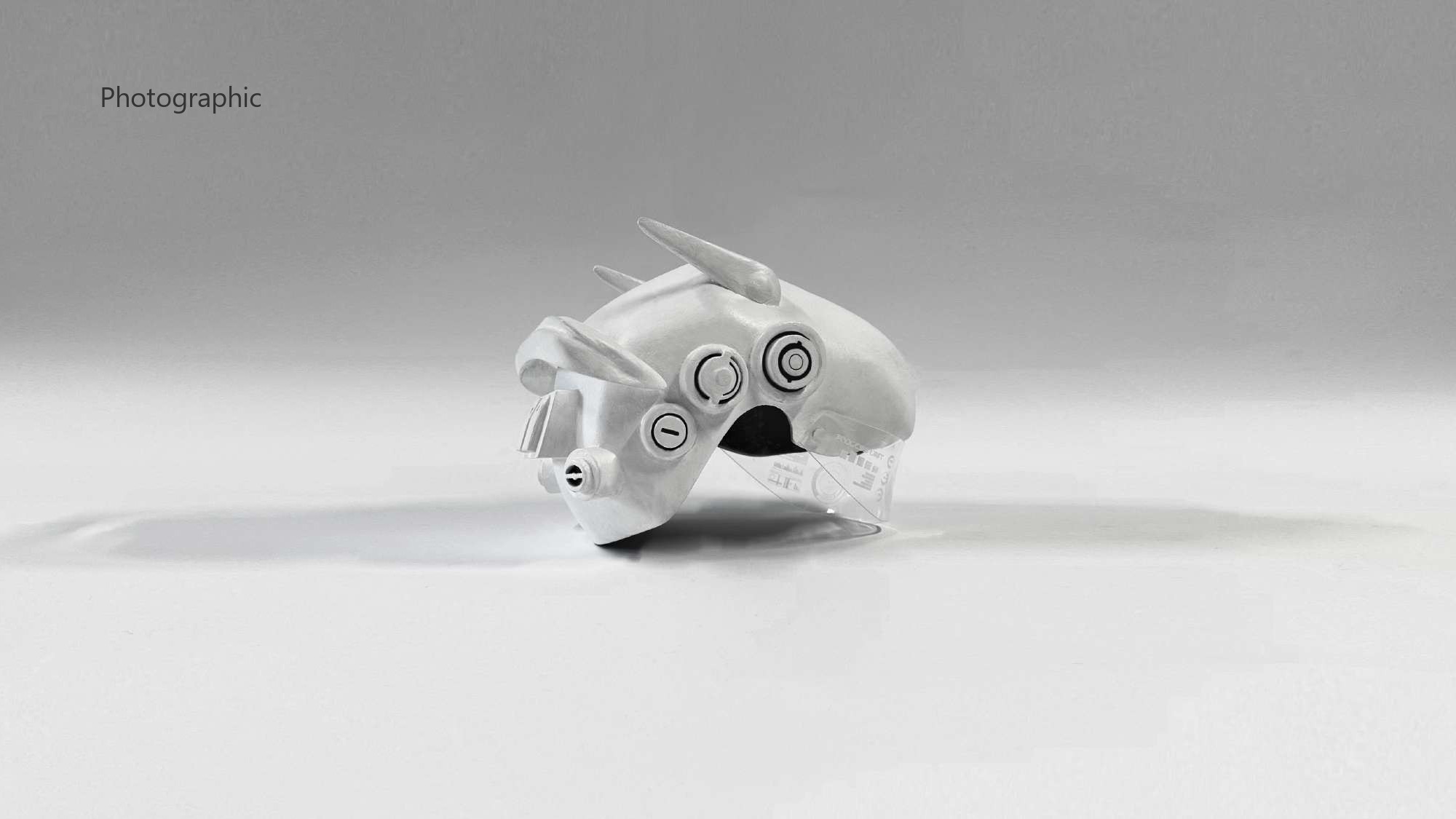
NeuroTech: Designing Beyond Hearing
Interaction Design • Jul 2026 • 6 min read
What if hearing accessibility wasn't about amplifying sound, but bypassing it entirely? This exploration investigates how AI, speculative design, and neurotechnology could reshape the future of human communication.


01 —
The Challenge
Rethinking Communication Beyond Sound
Nearly 20% of the world's population experiences some degree of hearing loss. While hearing aids and cochlear implants continue to evolve, most solutions still depend on interpreting sound. This project asks a different question: what if communication no longer relied on hearing at all?
02 —
Looking Back
Learning from Radical Precedents
Throughout history, accessibility has continually evolved—from mechanical amplification to visual communication. Each innovation expanded access within the technological possibilities of its time.
03 —
Looking Forward
Technology-Driven Innovations
Contemporary projects increasingly translate sound into touch, movement, and AI-assisted interaction—expanding communication beyond hearing alone.
04 —
Designing the Future
AI as a Design Partner
Using Midjourney as a speculative design tool, I explored hundreds of wearable concepts that imagined future human–AI interaction. Rather than searching for one perfect image, the process focused on discovering recurring forms, materials, and design opportunities.
05—
Refining the Direction
Curating Emerging Forms
Promising characteristics were selected, combined, and refined through multiple rounds of generation. Gradually, the exploration shifted from expressive AI outputs toward a coherent industrial design language.
06 —
Final Concept
The Outcome
NeuroTech imagines a wearable neural interface capable of translating brain signals directly into digital communication. Rather than replacing hearing, it speculates on an alternative future where thoughts could be exchanged without relying on spoken language.
Designed in Autodesk · Fabricated through iterative prototyping.
07 —
Reflection
This exploration became an early experiment in combining AI with speculative industrial design. Looking back, the technology has advanced significantly, but the core question remains relevant: how can emerging technologies expand accessibility rather than simply improving existing devices?
01 —
The Challenge
Rethinking Communication Beyond Sound
Nearly 20% of the world's population experiences some degree of hearing loss. While hearing aids and cochlear implants continue to evolve, most solutions still depend on interpreting sound. This project asks a different question: what if communication no longer relied on hearing at all?
02 —
Looking Back
Learning from Radical Precedents
Throughout history, accessibility has continually evolved—from mechanical amplification to visual communication. Each innovation expanded access within the technological possibilities of its time.
03 —
Looking Forward
Technology-Driven Innovations
Contemporary projects increasingly translate sound into touch, movement, and AI-assisted interaction—expanding communication beyond hearing alone.
04 —
Designing the Future
AI as a Design Partner
Using Midjourney as a speculative design tool, I explored hundreds of wearable concepts that imagined future human–AI interaction. Rather than searching for one perfect image, the process focused on discovering recurring forms, materials, and design opportunities.
05—
Refining the Direction
Curating Emerging Forms
Promising characteristics were selected, combined, and refined through multiple rounds of generation. Gradually, the exploration shifted from expressive AI outputs toward a coherent industrial design language.
06 —
Final Concept
The Outcome
NeuroTech imagines a wearable neural interface capable of translating brain signals directly into digital communication. Rather than replacing hearing, it speculates on an alternative future where thoughts could be exchanged without relying on spoken language.
Designed in Autodesk · Fabricated through iterative prototyping.
07 —
Reflection
This exploration became an early experiment in combining AI with speculative industrial design. Looking back, the technology has advanced significantly, but the core question remains relevant: how can emerging technologies expand accessibility rather than simply improving existing devices?
01 —
The Challenge
Rethinking Communication Beyond Sound
Nearly 20% of the world's population experiences some degree of hearing loss. While hearing aids and cochlear implants continue to evolve, most solutions still depend on interpreting sound. This project asks a different question: what if communication no longer relied on hearing at all?
02 —
Looking Back
Learning from Radical Precedents
Throughout history, accessibility has continually evolved—from mechanical amplification to visual communication. Each innovation expanded access within the technological possibilities of its time.
03 —
Looking Forward
Technology-Driven Innovations
Contemporary projects increasingly translate sound into touch, movement, and AI-assisted interaction—expanding communication beyond hearing alone.
04 —
Designing the Future
AI as a Design Partner
Using Midjourney as a speculative design tool, I explored hundreds of wearable concepts that imagined future human–AI interaction. Rather than searching for one perfect image, the process focused on discovering recurring forms, materials, and design opportunities.
05—
Refining the Direction
Curating Emerging Forms
Promising characteristics were selected, combined, and refined through multiple rounds of generation. Gradually, the exploration shifted from expressive AI outputs toward a coherent industrial design language.
06 —
Final Concept
The Outcome
NeuroTech imagines a wearable neural interface capable of translating brain signals directly into digital communication. Rather than replacing hearing, it speculates on an alternative future where thoughts could be exchanged without relying on spoken language.
Designed in Autodesk · Fabricated through iterative prototyping.
07 —
Reflection
This exploration became an early experiment in combining AI with speculative industrial design. Looking back, the technology has advanced significantly, but the core question remains relevant: how can emerging technologies expand accessibility rather than simply improving existing devices?